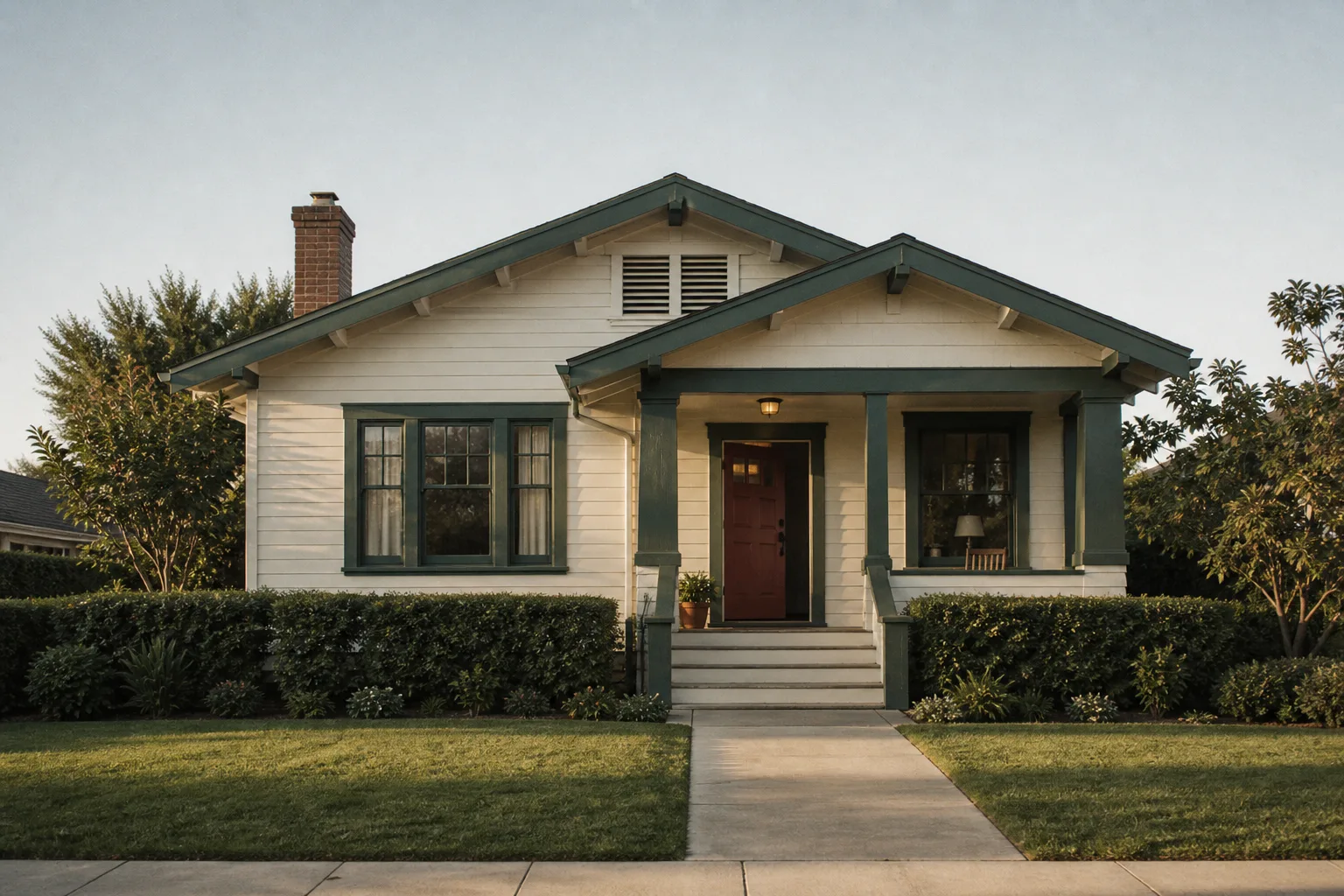
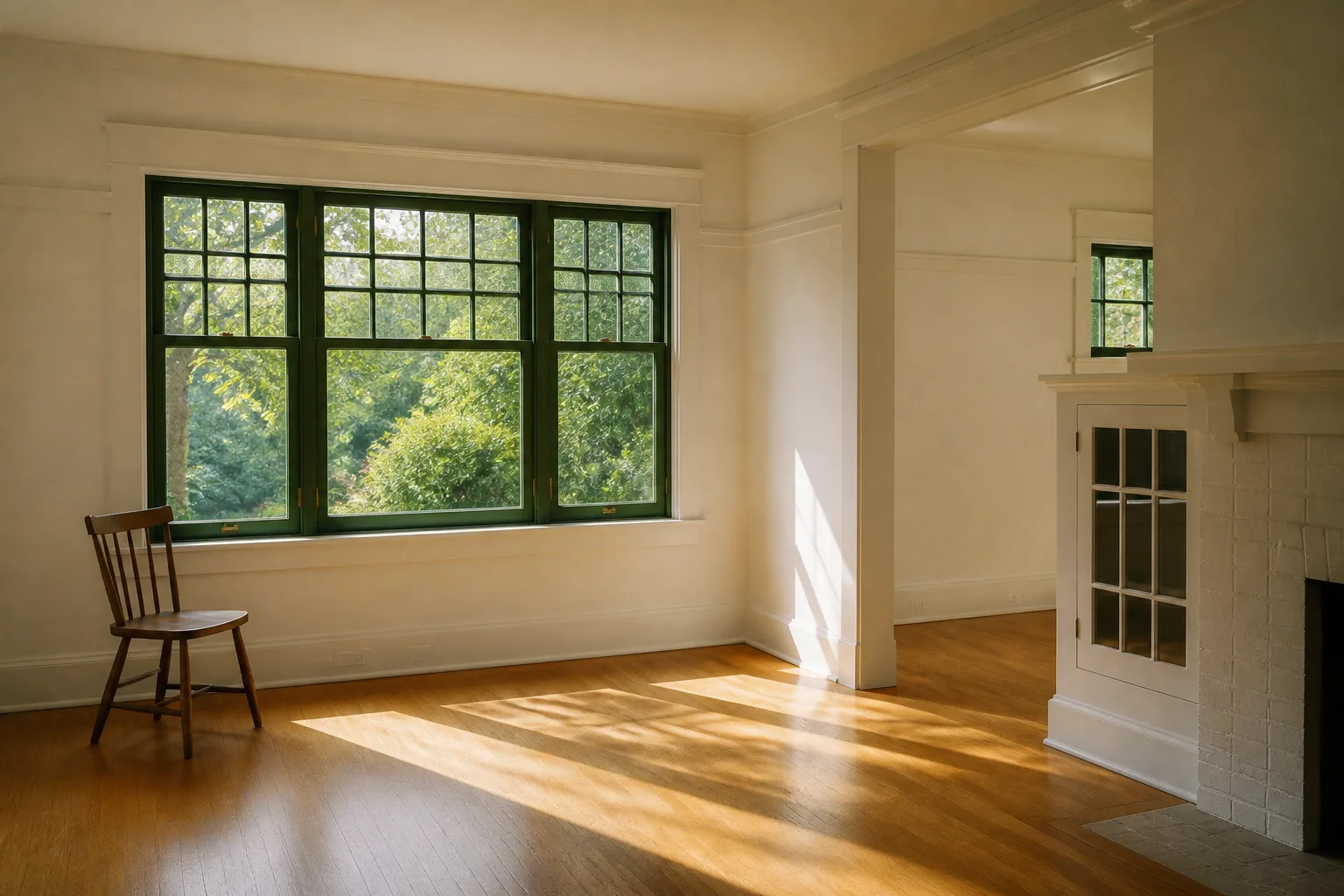
Listing NO. 082, Tuesday, July 28, 2026. Tour time ≈ 5 min. Status: active, offers reviewed daily.
Open house
Anthropic says it never wanted an open-weights ban
Washington floated a ban on Chinese open-weights models, the industry signed a letter, and Anthropic's CEO answered. The rest of the weekend made the case that owning your model is now practical.
List price: $0 for the weights. Compute sold separately.
0Bans advocated, per the CEO
9BParams in the fine-tune that beat the frontier
$0.50Per 1,000 listings reviewed
3Claude models run on SlopCodeBench
Tooling
Property details
Anthropic: no ban, and no ask for one
Reports that US officials are weighing a ban on Chinese open-weights models drew a signed industry letter and an accusation that Anthropic wanted such a ban to protect its business. Dario Amodei answered with a position post: Anthropic has never advocated one, and open-weights models without dangerous capabilities are, in his words, a public good.
Vercel Sandbox learns to fork
Vercel Sandbox now supports forking: a fork starts from the source sandbox's latest snapshot, config and environment included. One shared base can branch into per-tenant copies or parallel variations of the same run.
Technique
Inspection report
A $500 fine-tune beat the frontier at its own chore
Fermisense task-trained a 9B open model on a catalog-review workflow and reports it beating every frontier configuration they tested, at fifty cents per thousand listings, 40 to 340 times cheaper. The training run cost about 500 dollars.
Opus 5 tops SlopCodeBench, and still slops
SlopCodeBench feeds a model its requirements checkpoint by checkpoint, so it has to evolve a codebase rather than one-shot a spec. HumanLayer ran Opus 5, Opus 4.8, and Sonnet 5 through a subset; Opus 5 came out ahead, and the author's verdict is that none of them did a very good job.
Colin Eberhardt tells the whole arc, from OpenAI's founding to this month, as a scrollytelling long read. Read it for the history, scroll it for the form.
Numbers from Fermisense's published catalog-review benchmark. Your task, model, and traffic will move every row.
Borrow this pattern
The buyer's-math table. Mortgage calculators earn their place on listing pages by doing the arithmetic a buyer is already doing in their head, in the open. The same two-column table sells any considered purchase against a recurring bill: solar against the utility, an annual plan against monthly, a retainer against hourly. It stays honest when every number carries a source, the assumptions print underneath, and the column you are not selling keeps its genuine advantages.
Prompt Lab
Schedule a tour
Today's prompt rebuilds the open-house listing system for your own client work: the gallery, the facts strip, and the table that does the buyer's arithmetic.
Build a single-property real estate listing page as one static page, desktop and mobile.

Structure, top to bottom: a thin top bar with the site name left and two nav links right. An inline MLS-style masthead line in small monospace caps: listing number, date, tour length, status. A photo gallery: one wide exterior hero at about two thirds width with two stacked supporting photos beside it (a sunlit interior, a detail still life); on mobile the hero goes full width above a two-up thumbnail row. Pin a small brick-red corner flag reading OPEN HOUSE to the hero's top left edge. Below the gallery, the address block: a large serif headline, a two-sentence deck, and a one-line price row in monospace caps. Then a four-cell home-facts strip on a warm white panel, each cell a large serif numeral over a small monospace label, hairline rules between cells. Then body sections, each opened by a small monospace kicker and a serif heading with a hairline rule: Property details, Inspection report, The neighborhood, Monthly cost, Schedule a tour. Items are a headline plus one or two plain sentences with one inline link. Monthly cost is a rent-versus-own comparison table on a panel: row labels left, two value columns, a one-line assumptions note underneath, and the column you are not selling keeps its genuine advantages. Close with a short fine-print disclosure, previous and next links, and a colophon on a dark spruce panel.

Palette: sage lawn ground #D9E2D1, warm white panels #FAF6EB, spruce ink #22382B, brick red #A93D28 reserved for the flag, links, and table emphasis, brass #8A672B for large numerals and small labels on dark only. Type: Fraunces for headlines and numerals, Instrument Sans for body at 19px with 1.7 line height, Space Mono for kickers, facts labels, and the price row. Line length 60 to 75 characters, never justified.

Guardrails: photography carries one consistent treatment (morning light, gentle film grain) with no readable text inside images. No purple gradients, no glow, no pill radius: 14px on panels, 10px on photos, 4px on tags. Hover states on links, photos, and the nav at about 150ms with a prefers-reduced-motion guard. Small labels must hold WCAG AA contrast on their actual background.
Works in v0, Lovable, Bolt, Figma Make, Claude Code, and Beaver Builder AI.
Field note
Closing thoughts
Policy post or weekend hack, every item today pulls the same thread: the work feels different when you hold the keys. The third photo chose itself.
All information deemed reliable but not guaranteed. Every item above links its primary source; verify dates and claims there before you build on them. This publication does not sell houses.