Art Direction Daily

Sunday service  ·  No. 073  ·  July 19, 2026

Qwen 3.8 sets the table

Alibaba brought out a 2.4-trillion-parameter arrival on a Sunday, weights promised for the open shelf. The rest of the weekend's kitchen news is served below, course by course.

Tasting menuFive dishes≈ 4 min

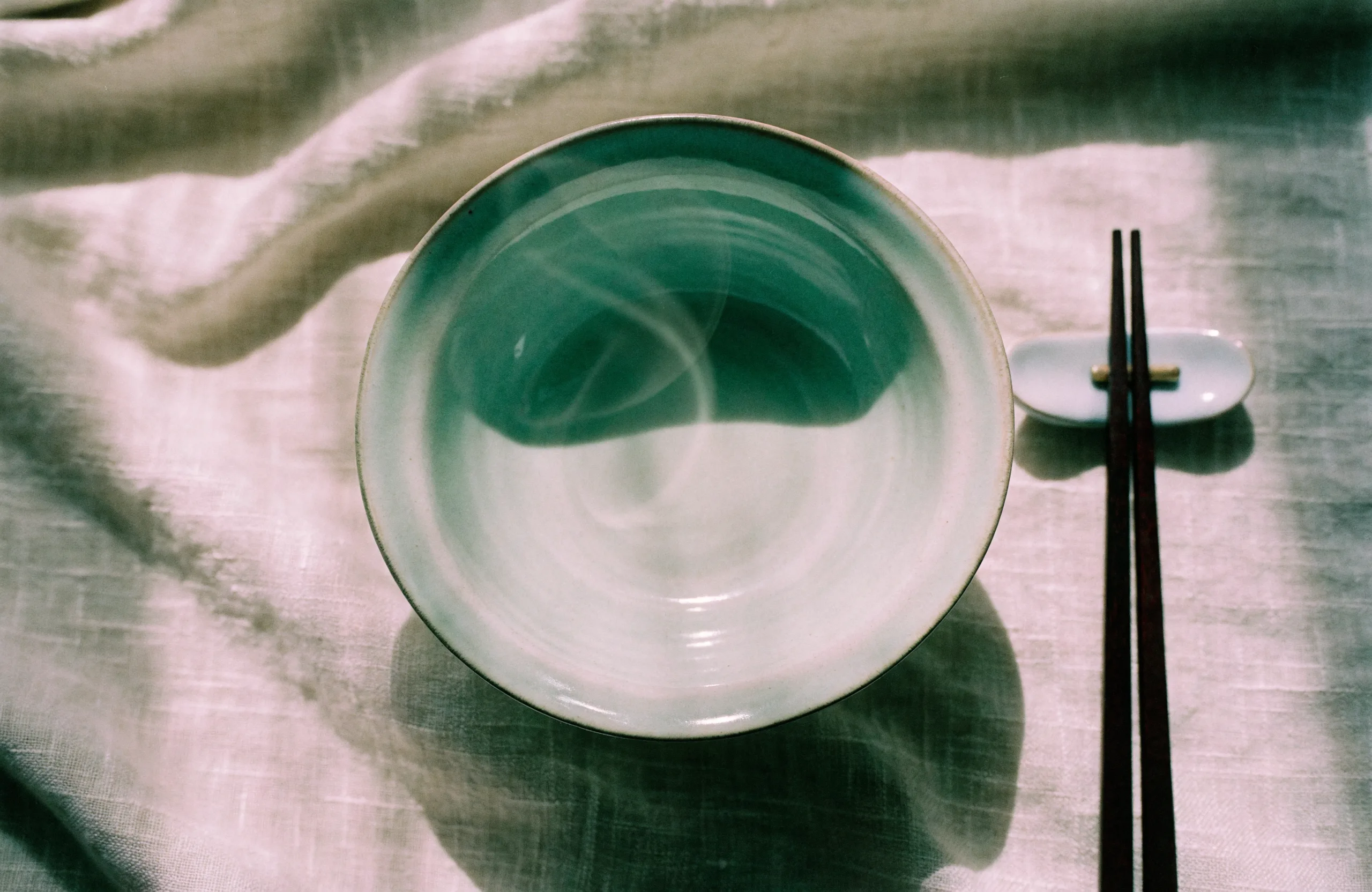
Overhead photograph of an empty celadon-glazed porcelain bowl on pale oatmeal linen, dark lacquered chopsticks resting beside it.
Service begins. Porcelain, celadon glaze.
Chef's signature · served first

Qwen 3.8, a 2.4T arrival

Alibaba's Qwen team announced Qwen 3.8 on Sunday: 2.4 trillion parameters, billed by its makers as second only to Fable 5, with open weights promised soon rather than shipped on day one. The Max Preview is live on Alibaba's Token Plan, Qoder, and QoderWork.

The claim sheet is the maker's own and the weights are still in the kitchen, so treat the ranking as a menu description rather than a review. What is concrete: last week's Mozilla report put open-weight models at a majority of OpenRouter traffic, and this is the next heavyweight queued for that shelf.

2.4T

parameters, announced

Preview

weights: promised, not shipped

3

surfaces at launch

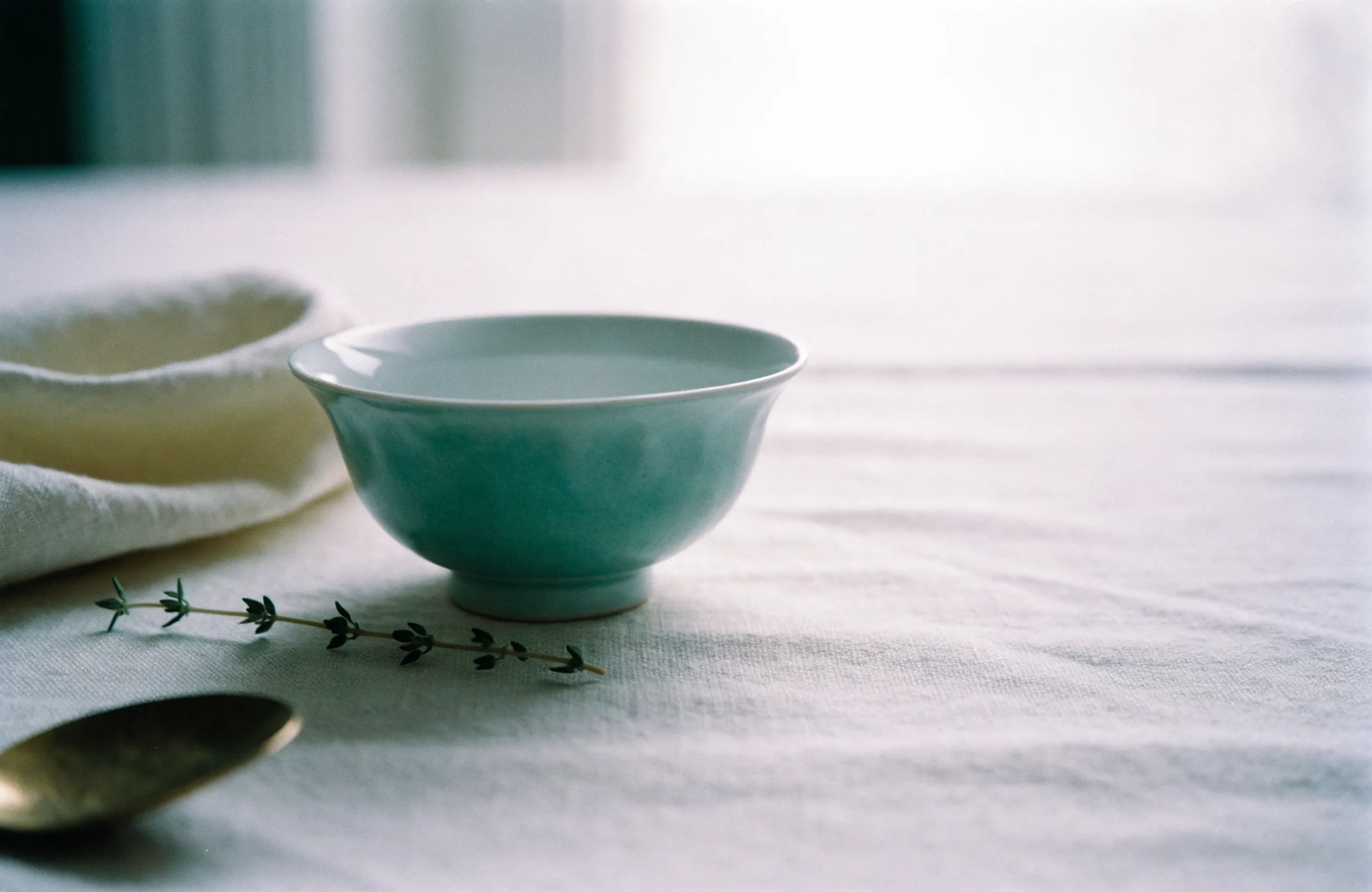
A celadon porcelain teacup beside a folded cream napkin and a sprig of herb on pale linen, soft window light.
To finish. Tea, no dessert on Sundays.

Today's Art Direction: The Tasting Menu

A fine-dining menu page, celadon and porcelain, Sunday service.

Restaurant sites live or die on one page: the menu. The archetype's grammar is centered and ceremonial, a cover lockup with ruled dividers, courses as section markers, dish names in a confident serif with short descriptions underneath, and a right-set price column that makes the whole list scannable. Today's page borrows that grammar for model news and lets each story's own number stand where the price would, with celadon, porcelain, and brass doing the plating.

Menu cover Course dividers Price column Pairing notes Porcelain plates Celadon glaze Brass ornament

Borrow this pattern

The price column

Menus stay scannable because every item carries exactly one number, set right, in a consistent face. Steal that for any list: features with their limits, plans with their prices, changelog entries with their version numbers, case studies with one result metric. One number per row, right-aligned, monospaced, nothing else in the column. What keeps it honest is the singular: the moment a row carries two numbers, or a number that needed a footnote, the column stops being a spine and turns back into a table.

Take-home · Prompt Lab

Tonight's menu, to go

Build a one-page tasting-menu site for a restaurant called [NAME], serving a fixed menu that changes [WEEKLY/SEASONALLY].

Art direction: celadon and porcelain. Ground the page in pale celadon green (#DEE6DA), with porcelain white panels (#FBFAF3), deep green-charcoal ink (#1F2B24), muted sage for captions (#7E9284), and aged brass (#8C6A1D) reserved for course labels, ornament rules, and the price column. Matte and calm: no gradients, no shadows, 1px hairline borders, square corners.

Type: Cormorant Garamond (500/600 and italic) for the restaurant name, dish names, and headings; Alegreya Sans for descriptions at 18px or larger with 1.6 line height; Red Hat Mono for course labels, metadata, and every price. Centered, ceremonial hierarchy: the serif does the romance, the mono does the bookkeeping.

Layout, top to bottom, one centered column around 880px:
1. Porcelain top bar: restaurant wordmark and two links.
2. Menu cover: a small-caps mono service line (service name, date), one thin double rule, the restaurant name in large serif, a two-sentence introduction, and a bordered mono meta strip (menu type, course count, seating time).
3. A framed photograph plate: overhead still life of empty porcelain on linen, celadon palette, with a centered mono caption.
4. Signature dish panel on porcelain: centered course label, dish name in serif, two-sentence description, and a bordered three-cell figure row (one number per cell with a mono label).
5. Courses: each course opens with a centered mono label inside a ruled divider, then dishes as rows: dish name in serif, a one-or-two-sentence description capped near 56 characters per line, a small pairing line, and a right-set brass mono price. One number per dish, nothing else in that column.
6. Close with a second photograph plate and a centered field-note card.

Readability guardrails: descriptions at 18px minimum, WCAG AA contrast for sage and brass text on their actual surfaces, no fake readable text inside photographs, descriptive link text, hover states on rows and links (150ms ease), and a reduced-motion media query. No script fonts, no parchment textures, no clip-art cutlery.

Serves well in v0, Figma Make, Lovable, Bolt, and Beaver Builder AI alike.
Field note

Every model launch is written like a feast. The menu is a useful discipline: it makes each claim sit in a row, next to one number, and wait to be tasted.