Art Direction Daily

Sailing daily · agentic web design

OpenAI, Microsoft, and Vercel just agreed on one box

Six vendors just published Agent Plugins, one folder format that loads the same skills and MCP servers in ChatGPT, Cursor, Copilot, Kiro, and VS Code. Pack once, sail anywhere.

No. 091 Thursday 06 Aug 2026 ≈ 5 min read
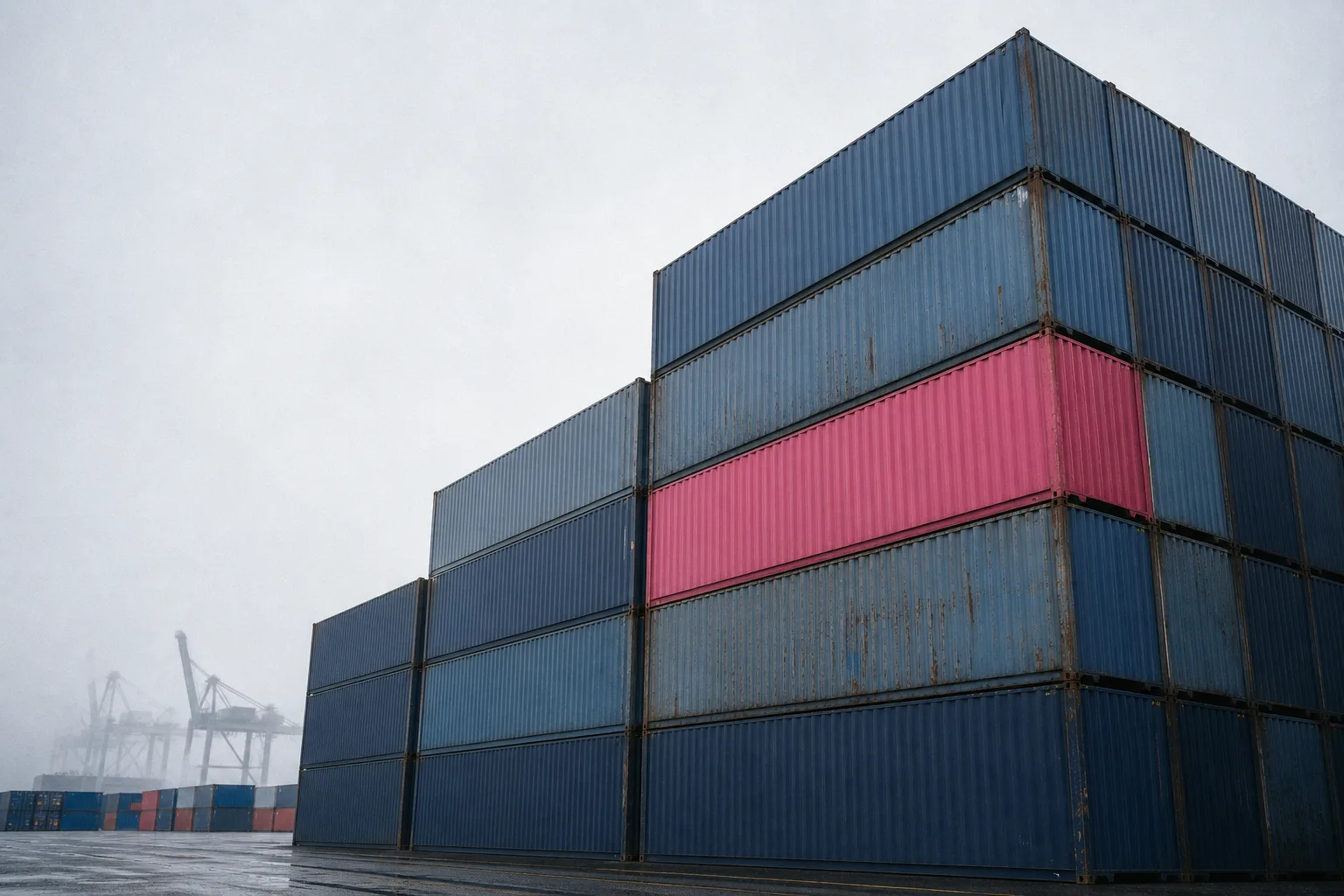
Stacked navy shipping containers in an overcast terminal, with a single magenta container breaking the stack
Berth study, overcast. One box that does not match the fleet, and no crane cares.

Lot 01 · Flagship cargo

Agent Plugins: six rivals agree on the box

AWS, Anysphere, GitHub, Microsoft, OpenAI, and Vercel published Agent Plugins, an open format that packs Agent Skills and MCP servers into one folder with a plugin.json manifest. The same plugin now loads in ChatGPT, Codex, Cursor, GitHub Copilot, Kiro, and VS Code, with no per-client repackaging.

The spec at agent-plugins.org is deliberately small: a manifest with two required fields, fixed locations for components, and a namespace for client extensions. Discovery and loading are standardized; installation and distribution stay with each client.

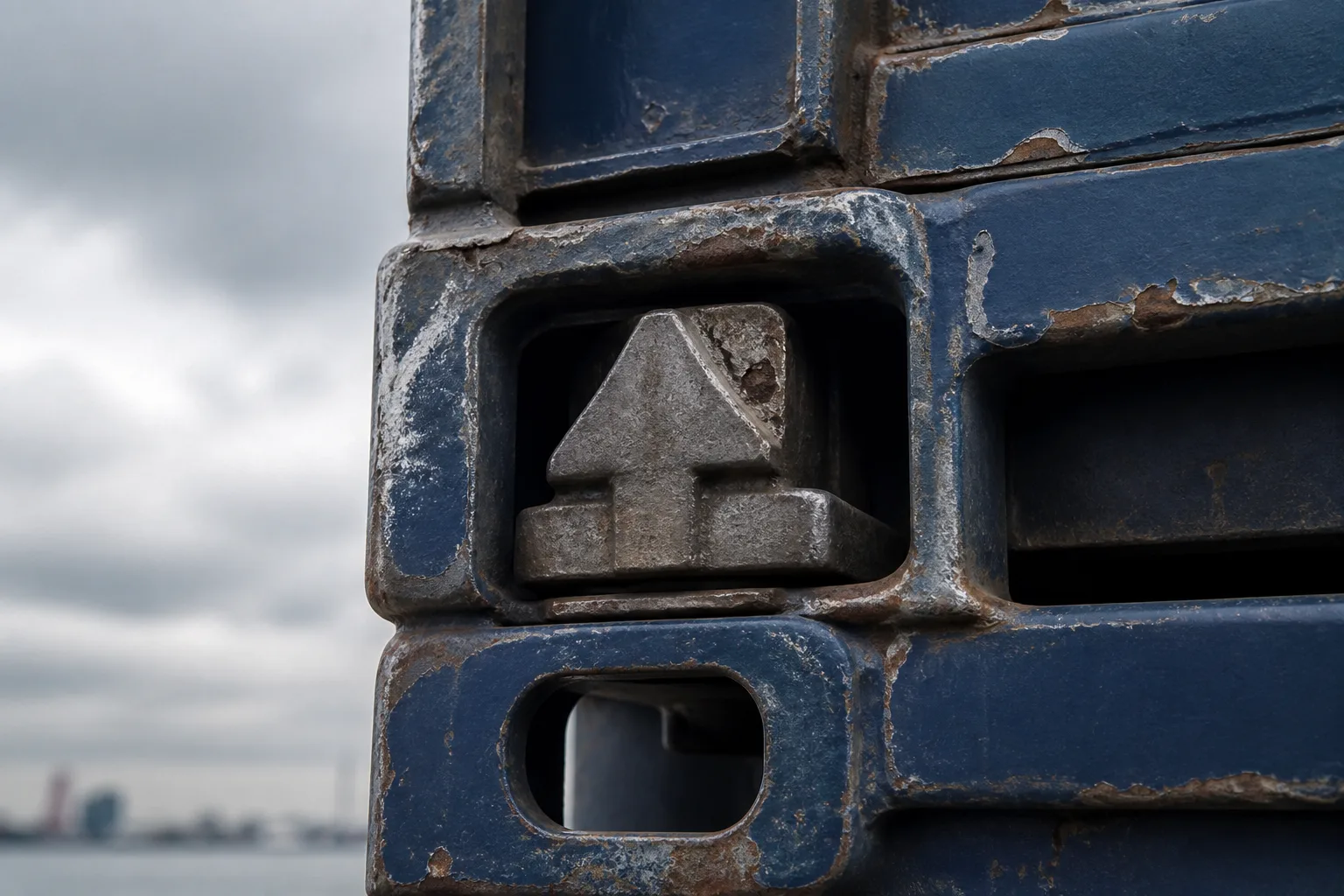
Close macro of a weathered navy shipping container corner casting with a steel twist-lock fitting
The corner casting. Standardize eight fittings and every crane, chassis, and ship stops caring whose box it is.

Vessel particulars · today's art direction

The Container Line

A freight line's booking page for the day the standard box reached AI plugins.

Intermodal shipping runs on one agreement: standardize the box and its corner fittings, and ships, trains, and trucks stop caring what is inside. This page borrows that trade's visual system whole. Stencil markings set the masthead, a ruled cargo manifest carries the news, bay plates divide the sections, and documentary photography under overcast light keeps the palette cold. One magenta container supplies the only loud color on the page.

  • stencil marking
  • cargo manifest
  • bay plate
  • corner casting
  • fog ground
  • hull navy
  • signal magenta
  • overcast documentary
Bay 01

Tooling

v0 becomes a callable app builder

The new v0 API sends a prompt to v0's agent, boots the result in a Vercel Sandbox, and hands back a preview URL you can embed. It runs sync, async, or streaming, works from existing repos, and a finished app deploys to Vercel with one call.

Figma puts numbers on Code Connect

Figma measured its MCP server with Code Connect mappings against 27 design-to-code tasks: median token use fell 29.5 percent, task time fell by about a fifth, and code quality rose a full point on a four-point scale. Coverage decides the payoff, and thinly mapped systems saw far less.

Bay 02

Technique

Uber open sources its agent watchtower

Uber released ADR, the detection and response system that watches AI coding sessions across Claude Code, Cursor, and Codex inside the company. The release includes the sensor, the detector, and a 302-task benchmark built from production telemetry, covering all 17 known agent attack techniques.

Bay 03

Workflow

Approval fatigue, measured at last

A browser game asked players to approve or deny an AI coding agent's commands under time pressure, and 409,000 decisions later the verdict is rough: reviewers missed one threat in three. Disguised npm scripts slipped past more than half the time, and accuracy fell as sessions wore on.

Vercel adds a pause button for exactly this

Chat SDK workflows can now stop on a sensitive step, wait for a human decision, and resume without losing state. The pause is the easy part; the study above suggests the reviewing is the hard one.

Borrow this pattern

The manifest table

When a service is really a list of concrete offers, set it as one ruled table instead of three identical feature cards: a stencil index, a bold name, one plain sentence, and a real link per row. It suits class schedules, service menus, pricing tiers, and route lists, and it holds more content in less height than a card grid.

Two things keep it honest. Every row links somewhere real, and the type stays big enough to read at arm's length. A table that fakes rows to look busy is a feature grid with worse manners.

Stowage plan · Prompt Lab

Recreate today's page

Paste this into an AI site builder to reproduce The Container Line: the booking-page structure, the manifest, and the one-magenta-box palette.

Build a one-page landing site for an intermodal freight line, treated as a
booking page a working shipping client would actually use.

Structure: a slim navy operations bar with the brand left and three links
right. A stencil-marking masthead: three short lines set in a stencil face,
like the owner code painted on a container wall, never a boxed metadata
table. A split hero: a tall condensed uppercase headline on the left, a
framed documentary photo card with a small caption plate on the right. One
flagship bulletin card with an angled stamp label. Then a cargo manifest
that carries the real content: a navy header band, stencil bay plates as
section dividers, and one row per offer with a stencil lot number, a bold
linked name, and one plain sentence. Close with a dark navy stowage band
for long-form documents and a wide dusk photograph before the footer.

Palette: pale fog gray page (#DCE0E1), hull navy ink (#16232E), white deck
cards (#F6F7F6), harbor steel labels (#5E6E79), and one signal magenta
accent (#C22459) used the way one pink container sits in a navy stack: a
single stamp plate, lot numbers on hover, and link underlines. Nothing
else gets the magenta.

Type: a tall condensed poster face (Anton) for headlines, a stencil face
(Saira Stencil One) only for cargo codes and bay plates, an even grotesque
(Archivo) at 19px or larger with line-height 1.65 or more for body text,
and a mono face for captions and document blocks.

Imagery: documentary port photography under overcast light, cool and
muted, at most one magenta object per frame. Keep every image inside a
framed card with a caption plate. No legible text inside images.

Guardrails: line length 60 to 75 characters, WCAG AA contrast for every
label against its real background, corner radii under 10px, no glows, no
gradients, no fake search fields or toggles, hover states on every real
link at about 150ms, and a prefers-reduced-motion guard.

Works in Figma Make, v0, Bolt, Beaver Builder AI, or Lovable.
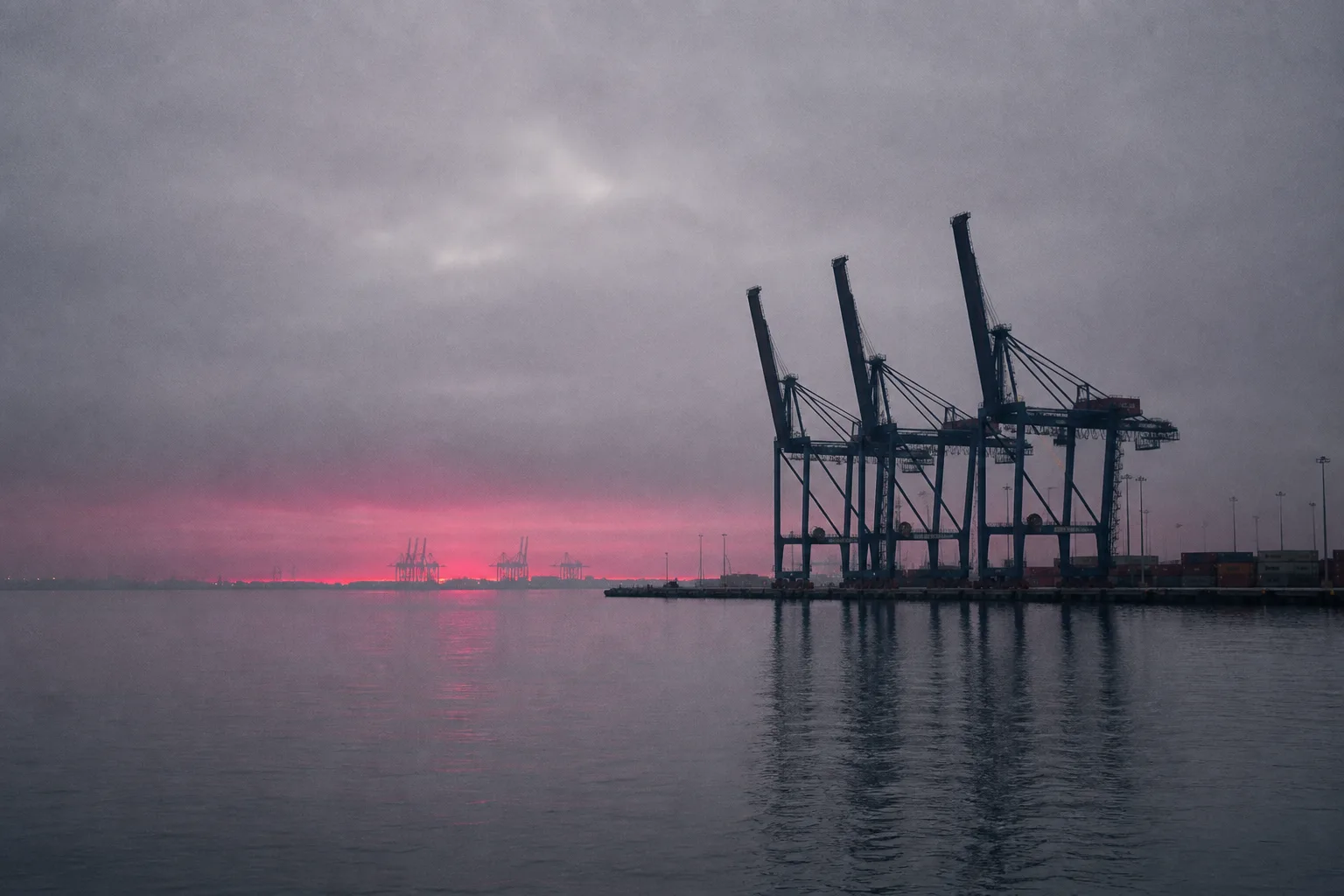
Container gantry cranes silhouetted over still harbor water at dusk, with a band of magenta light on the horizon
End of day at the terminal. The cranes do not know what shipped; that was the point all along.

Harbor master's note · field note

The plugin.json layout will look familiar to anyone who has shipped a Claude Code plugin. Standards often arrive this way: one vendor proves the shape, then a committee paints its name off the side of the box.